
Leading Tools And Materials For Concrete Installation Tasks
Equip yourself with top-performing products designed to streamline your concrete projects and ensure professional results.
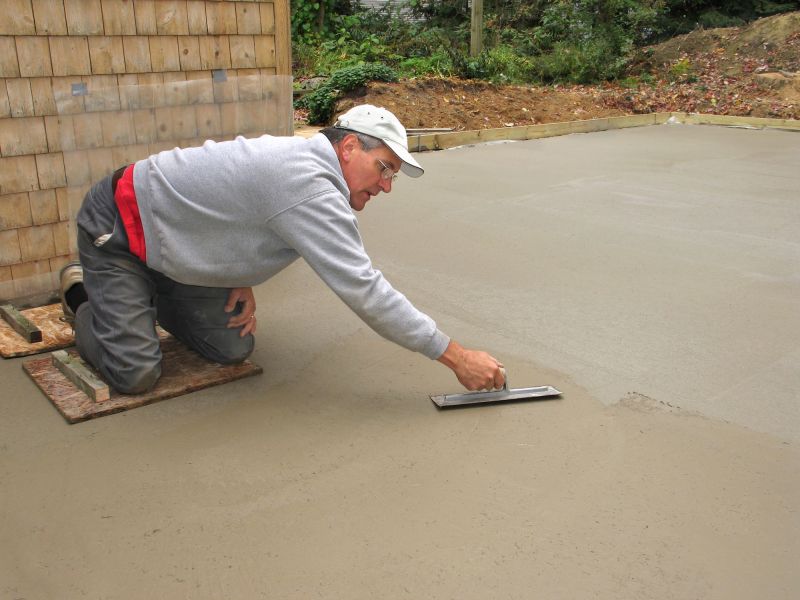 Concrete installations are fundamental to many construction and renovation projects, providing durable surfaces and structural elements for both residential and commercial applications. From driveways and sidewalks to foundations and decorative features, selecting the right products is essential for achieving quality results. The process involves various materials and tools designed to ensure proper mixing, placement, curing, and finishing of concrete. Understanding the different product options available can help homeowners and contractors make informed decisions tailored to their specific project needs.
Top Overall Option
Concrete Mix and Curing Compound
A high-quality concrete mix combined with an effective curing compound provides a reliable foundation for various installations. This combination ensures proper hydration, strength development, and surface finish, making it suitable for a range of applications from driveways to slabs. Proper curing helps prevent cracking and surface defects, contributing to the longevity of the concrete structure.
Types of Products For Concrete Installations
Concrete Mixes
Pre-mixed or bagged concrete mixes designed for different load-bearing and finishing requirements.
Formwork and Molds
Reusable or disposable forms that shape and support poured concrete during setting.
Reinforcement Materials
Steel rebar, wire mesh, and fiber reinforcements to enhance concrete strength.
Admixtures
Chemical additives that modify setting time, workability, or durability of concrete.
Sealants and Surface Coatings
Protective coatings to seal, waterproof, and finish concrete surfaces.
Concrete Vibrators
Tools used to eliminate air bubbles and ensure proper compaction of poured concrete.
Finishing Tools
Floats, trowels, and edgers to achieve smooth and level surfaces.
Curing Blankets and Covers
Materials that retain moisture and aid in curing concrete effectively.
Concrete Edgers and Groovers
Tools to create joints and decorative edges on finished surfaces.
Concrete Pumps and Buckets
Equipment for transporting and placing concrete efficiently.
Waterproofing Membranes
Layers applied to concrete to prevent water ingress and damage.
Expansion Joints
Materials that accommodate movement and prevent cracking in large slabs.
Surface Texturing Tools
Tools to add slip-resistant or decorative textures to concrete surfaces.
Concrete Dyes and Stains
Coloring agents to enhance aesthetic appeal of finished concrete.
Anchors and Fasteners
Hardware used to secure fixtures and structural elements to concrete.
Grinding and Polishing Equipment
Tools for smoothing and polishing concrete surfaces for a refined look.
Popular Choices
Pre-mixed concrete delivered in trucks for quick and consistent pouring.
Concrete containing fibers to improve crack resistance and durability.
Protective coatings that help prevent water penetration and damage.
Portable devices used to compact poured concrete effectively.
Tools for achieving smooth and polished concrete surfaces.
Materials used to fill and seal expansion joints in large slabs.
Products applied after curing to enhance surface durability and appearance.
Chemicals that facilitate easy removal of forms after concrete sets.
Coloring products that provide aesthetic enhancements to surfaces.
Tools for creating clean, rounded edges on concrete slabs.
Mesh panels used to reinforce concrete slabs and improve structural integrity.
Materials that help maintain moisture during the curing process.
Tools used to level and stabilize uneven concrete surfaces.
Equipment for smoothing and polishing concrete surfaces.
Powdered coloring agents to add color and texture to concrete surfaces.
Fasteners used to attach structural elements to concrete foundations.
Tools that add slip-resistant or decorative textures to concrete.
Sealers that provide a glossy finish and protect against stains.
When working with concrete, it is important to consider factors such as the type of project, environmental conditions, and desired surface finish. Proper preparation, including the use of formwork and reinforcement materials, contributes significantly to the stability and longevity of the installation. Additionally, choosing appropriate additives and curing agents can enhance concrete performance and appearance. With a wide range of products on the market, from admixtures and sealers to tools and accessories, being knowledgeable about the options can streamline the installation process and improve outcomes.
In Holly Springs, NC, where construction and renovation projects are common, having access to reliable and high-quality products for concrete installations is vital. Whether undertaking a small DIY project or managing large-scale commercial work, selecting suitable products can help ensure safety, efficiency, and durability. It is advisable to research and select products that meet industry standards and are compatible with the specific requirements of your project. Proper application and adherence to manufacturer instructions will further contribute to successful concrete installations that stand the test of time.
Key Buying Considerations
- Project scope and size to determine the quantity and type of materials needed.
- Compatibility of products with existing or planned reinforcement and formwork.
- Environmental conditions such as temperature and humidity that can affect curing.
- Durability requirements based on the intended use of the concrete installation.
- Ease of application and compatibility with available tools and equipment.
- Curing and finishing options to achieve desired surface quality.
- Budget constraints while ensuring quality and safety standards.
- Product certifications and adherence to industry standards for safety and performance.
- Long-term maintenance needs and availability of sealers or protective coatings.
- Specific aesthetic preferences, such as color or surface texture.
- Timeframe for project completion and curing periods.
- Availability of technical support or guidance from product manufacturers.
- Environmental exposure, such as freeze-thaw cycles or chemical exposure, influencing product choice.
- Reinforcement options to improve structural integrity and crack resistance.
- Storage and handling requirements for materials and tools.