Optimal Conditions for Concrete Installation
Concrete installations are most effective when weather conditions are optimal. Temperature, humidity, and precipitation significantly influence curing and final strength. Proper timing ensures durability and reduces the risk of cracks or delays.
The best temperatures for concrete installation are between 50°F and 85°F. Temperatures outside this range can hinder proper curing, leading to weaker concrete.
Rain can disrupt setting times and cause surface issues. High humidity may slow curing but can be managed with appropriate coverings and timing.
Spring and fall often provide optimal weather conditions. Summer may require additional measures to prevent rapid drying, while winter installations need special precautions against freezing.
Dry, clear days with mild temperatures are ideal. Avoid days with forecasted rain or extreme temperatures to ensure proper curing.
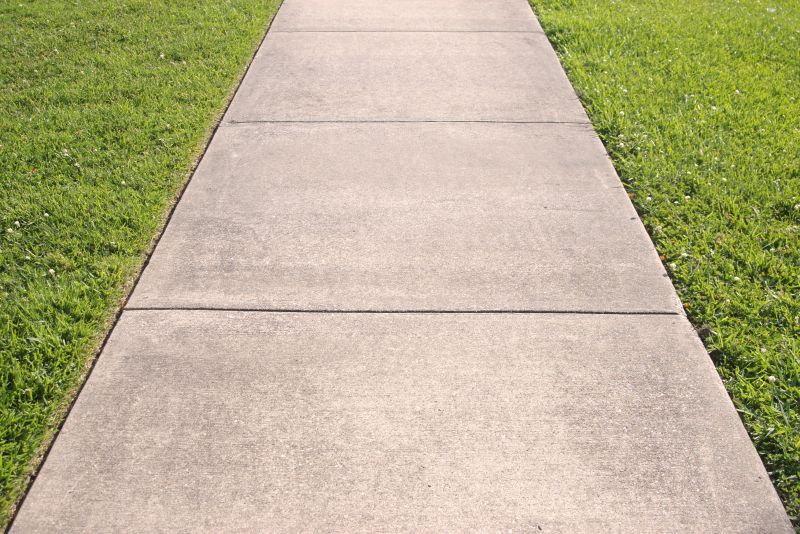
Ways to make Concrete Installations work in tight or awkward layouts.
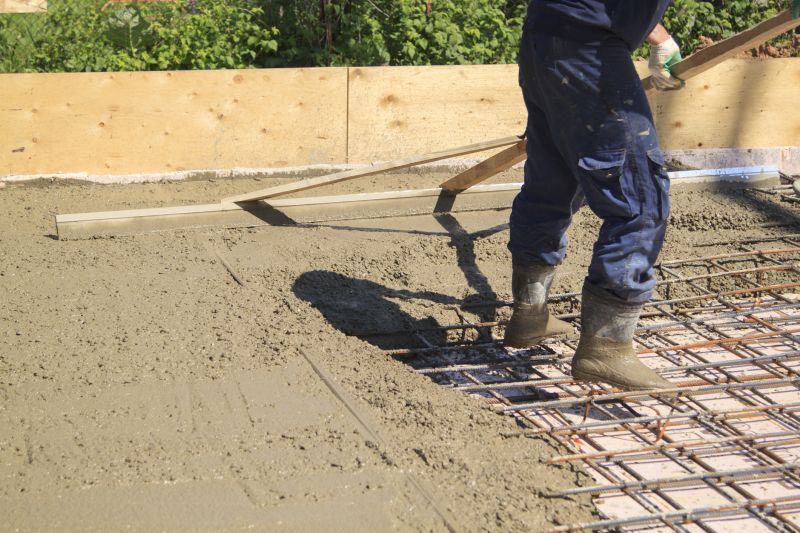
Popular materials for Concrete Installations and why they hold up over time.
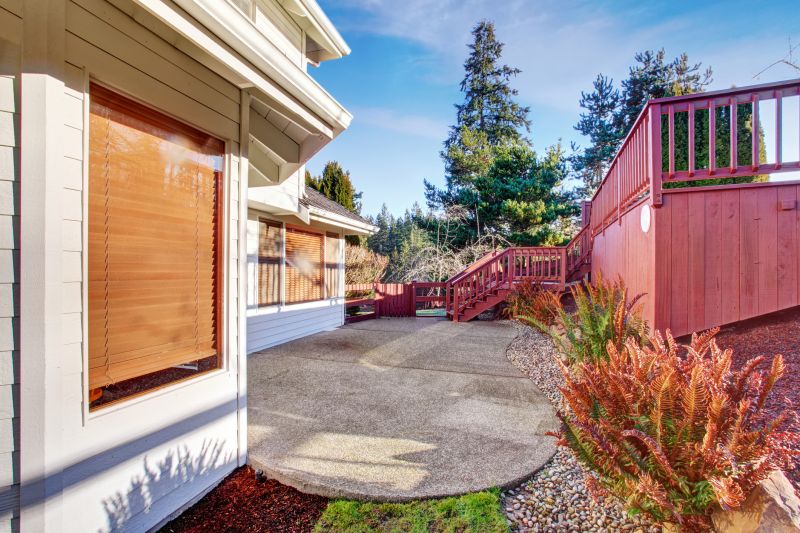
Simple add-ons that improve Concrete Installations without blowing the budget.
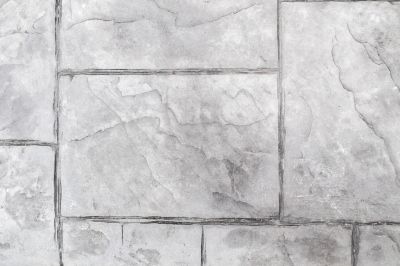
High-end options that actually feel worth it for Concrete Installations.
Finishes and colors that play nicely with Concrete Installations.

Little measurements that prevent headaches on Concrete Installations day.
| Season | Best Conditions |
|---|---|
| Spring | Moderate temperatures, low rainfall |
| Summer | Early morning or late evening, avoid peak heat |
| Fall | Cool temperatures, dry days |
| Winter | Only with proper precautions against freezing |
| Late Spring/Early Fall | Ideal for most installations |
Concrete installation requires careful planning to align with weather conditions that promote optimal curing. Proper timing minimizes risks such as cracking, surface scaling, and weak spots, ensuring a durable surface that lasts for years.
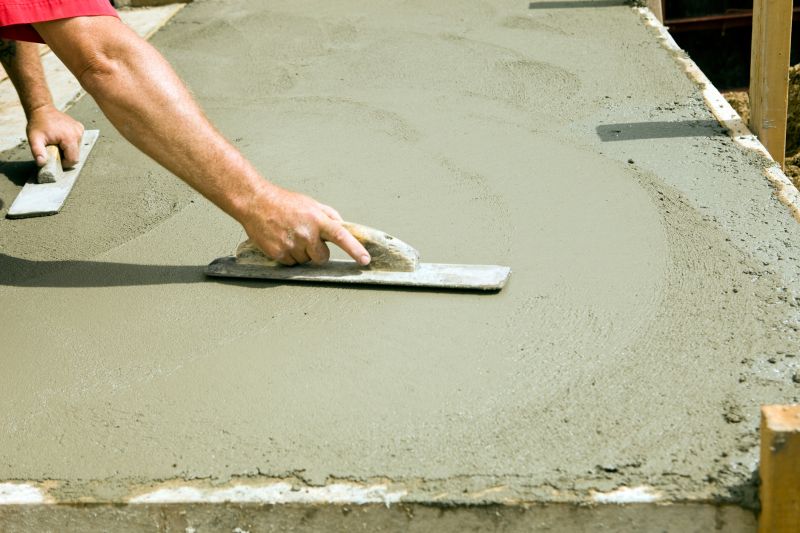
A 60-second routine that keeps Concrete Installations looking new.
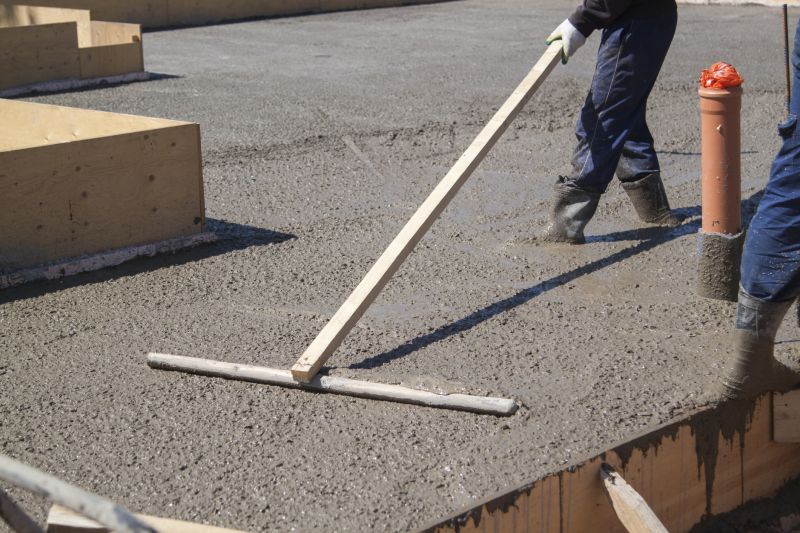
A frequent mistake in Concrete Installations and how to dodge it.
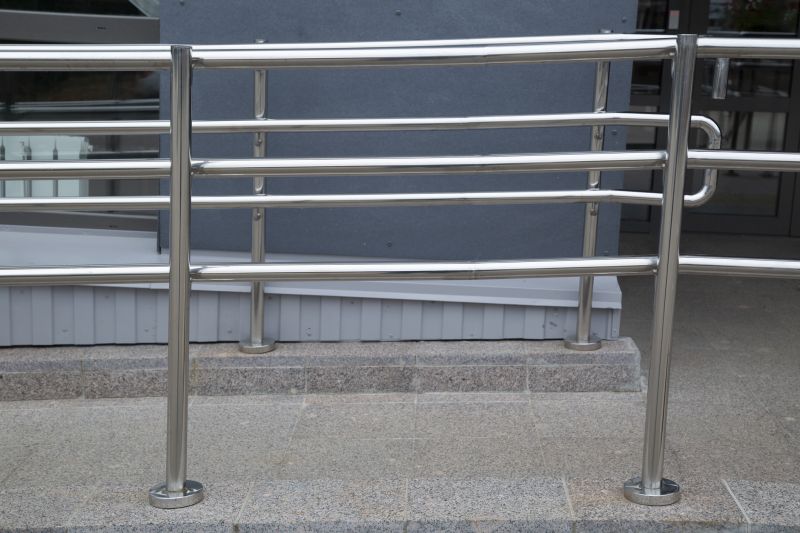
Small tweaks to make Concrete Installations safer and easier to use.
Lower-waste or water-saving choices for Concrete Installations.
The short, realistic tool list for quality Concrete Installations.
Rough timing from prep to clean-up for Concrete Installations.
Timing concrete installations appropriately enhances the quality and longevity of the finished surface. Consulting with professionals about seasonal conditions can help determine the best window for each project.
Interested in scheduling a concrete installation? Fill out the contact form to discuss options and availability.